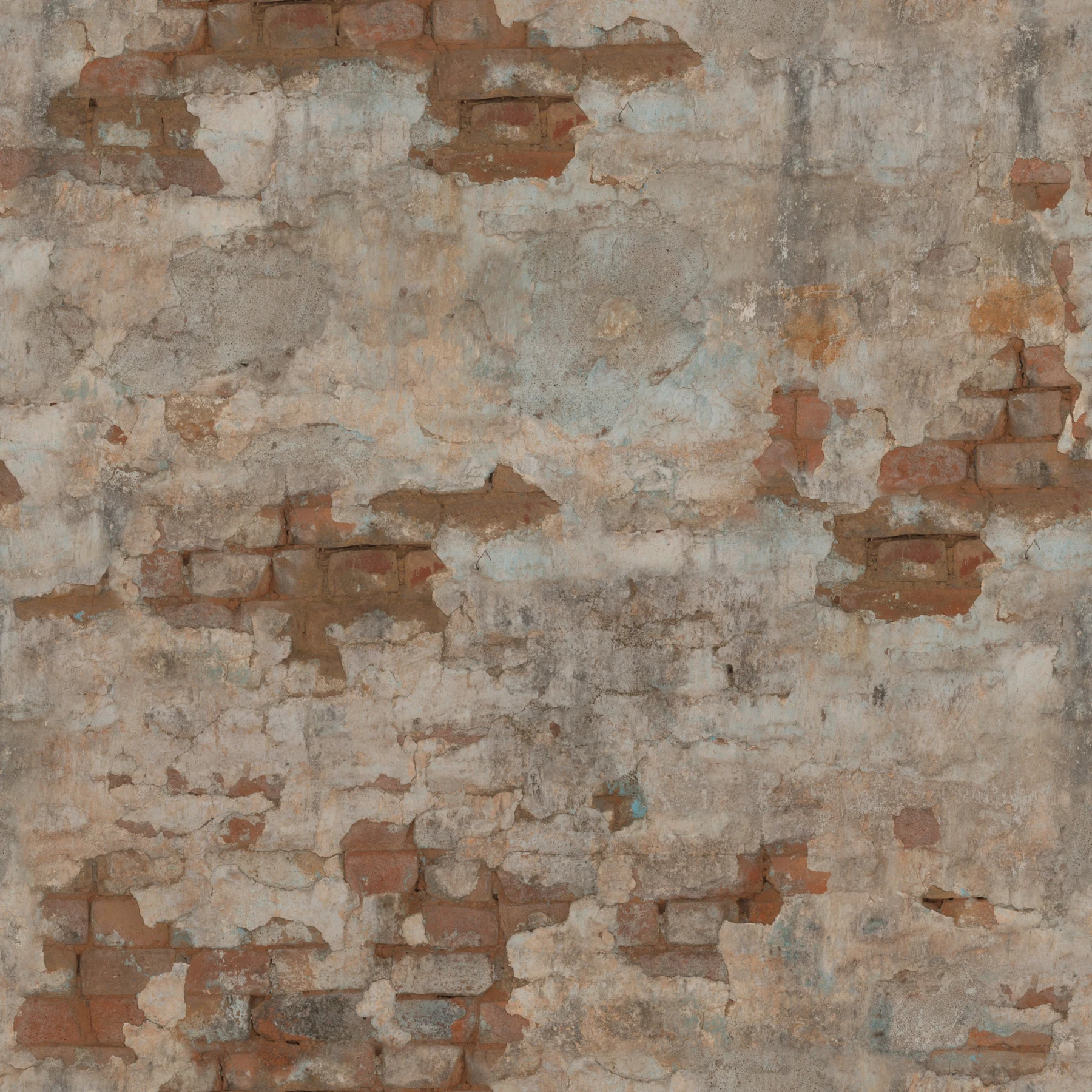
Salt efflorescence (saltpetre / nitrates)
Dissolved salts travel from the ground into masonry with moisture. As the water evaporates, the salts crystallise at the surface.
Damp walls
Salt deposits, flaking plaster or a musty smell: damp walls leave visible signs. We assess the cause and explain how your building can become dry again.
Recognising the signs
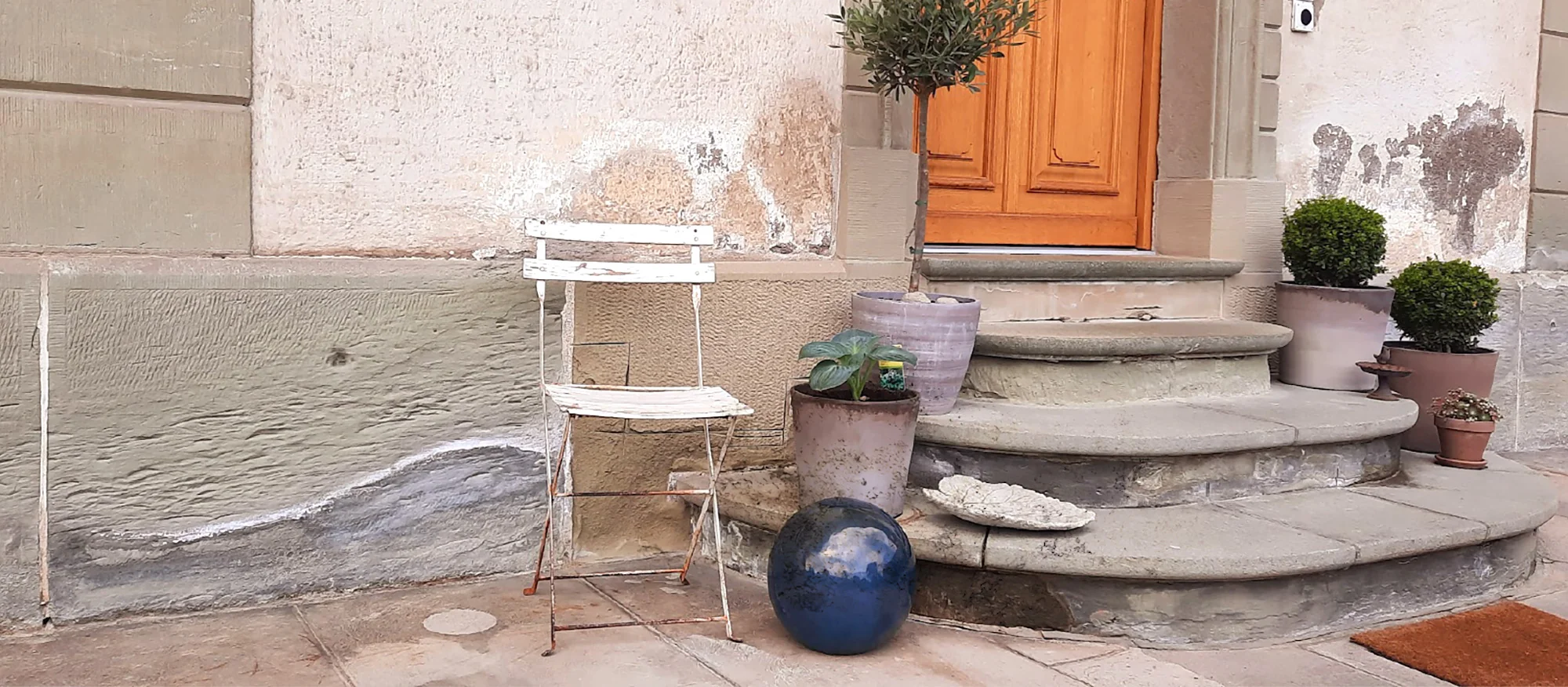
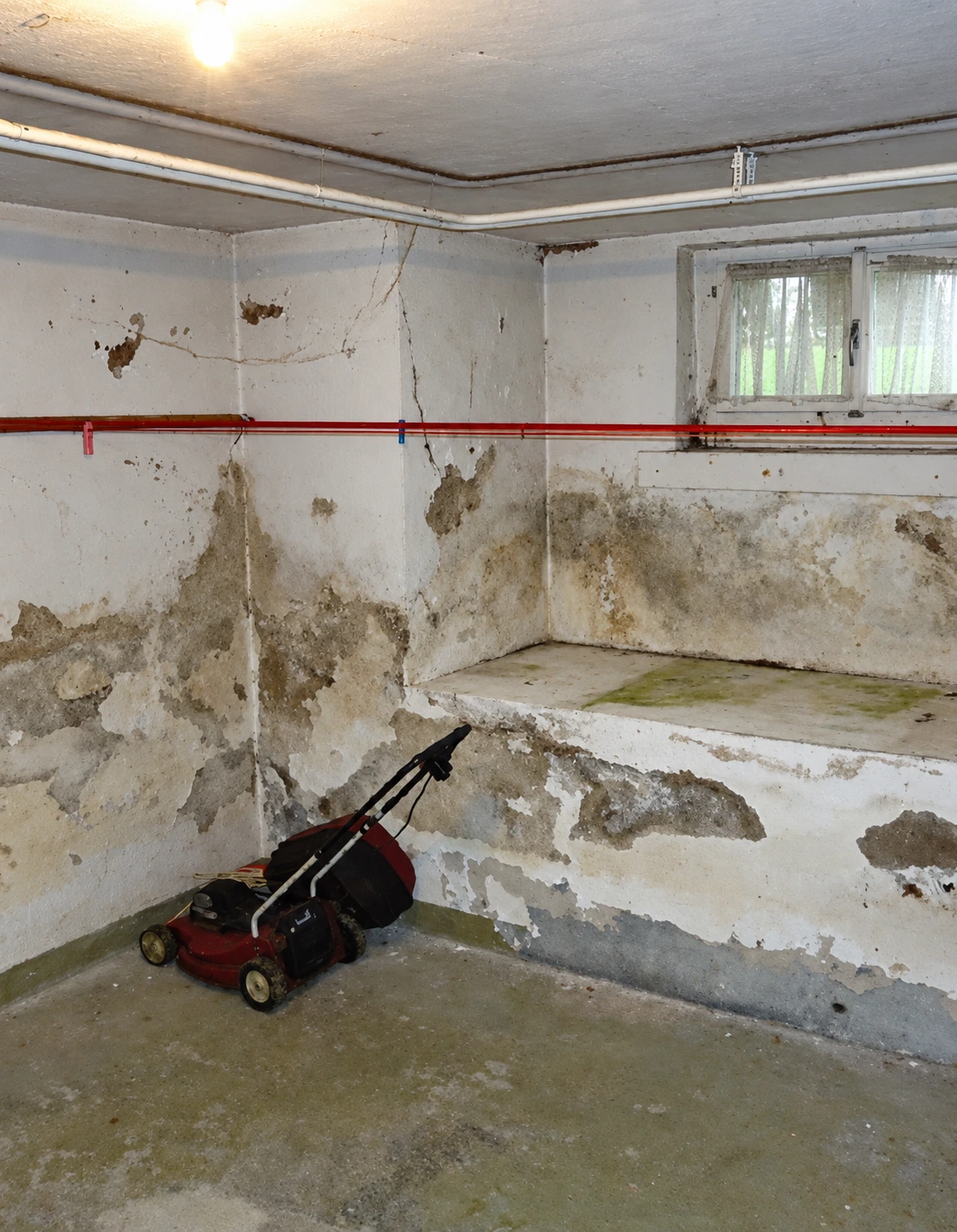
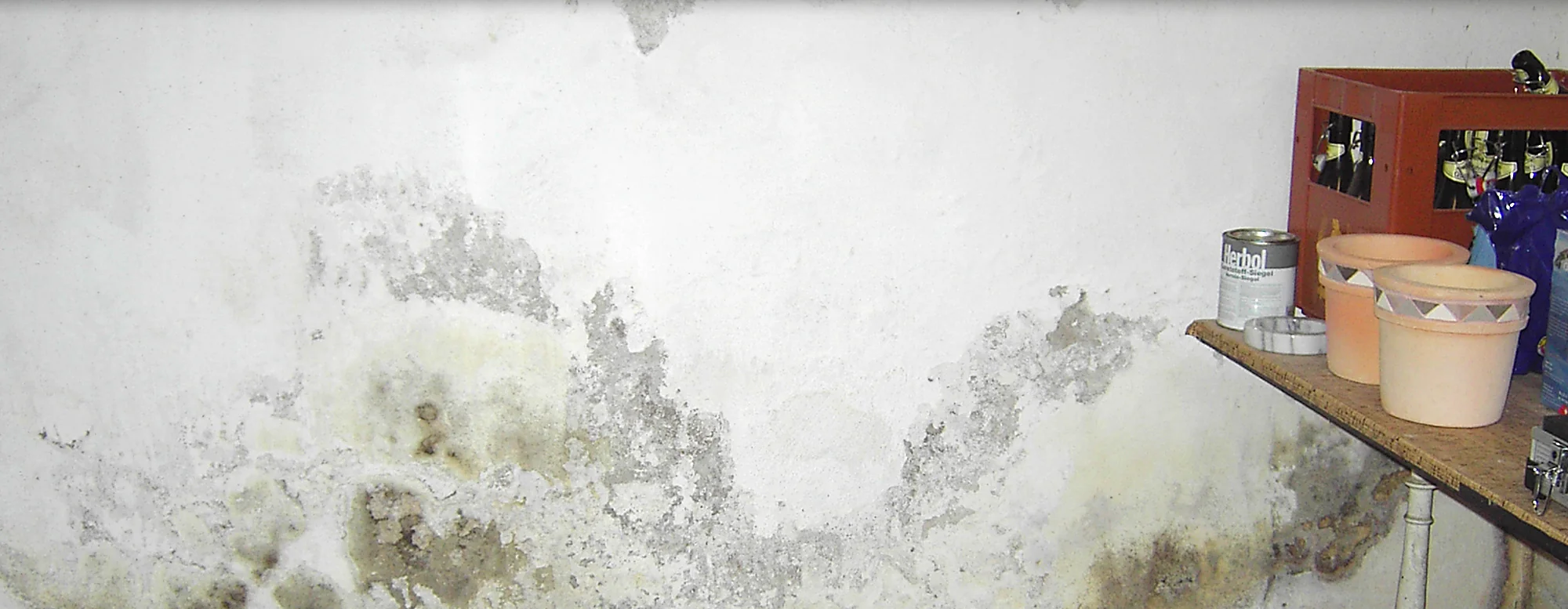
Damage can appear on both the inside and outside of a building. Discolouration and flaking paint or plaster make the moisture visible.
Dissolved salts travel from the ground into masonry with moisture. As the water evaporates, the salts crystallise at the surface.
Paint flakes and plaster comes away. While moisture continues to enter, even recently renovated surfaces can become damaged again.
The plaster surface loses cohesion. Fine grains come loose, leaving sandy patches that crumble away.
Plaster can detach from the surface beneath it. Small hollow areas form between the plaster and the masonry.
Ground moisture enters the pores of masonry.
Walls in contact with soil can absorb water.
These causes require other measures.
Older buildings may have no damp-proof courses. In newer buildings, these can be defective or inadequate. Materials in contact with the ground absorb moisture, which rises through pores by capillary action or enters the wall laterally.
Leaks or condensation on cold surfaces can also cause damp walls. These causes need different measures. Our building analysis identifies where the moisture comes from.
Start with a building analysis
Inside the masonry
Porous building materials absorb water. Missing or damaged damp-proof courses allow moisture to keep entering.
Moisture carries dissolved salts and minerals into masonry. Water evaporates at the surface, leaving salts behind to crystallise. This repeated process can damage plaster and paint.
The resulting damage includes salt efflorescence (saltpetre / nitrates), flaking surfaces, sanding and localised voids behind plaster. Discolouration and flaking paint or plaster can appear inside and outside. Repainting alone does not stop an ongoing moisture source.
Dissolved salts travel into the wall with it.
Water leaves through the surface.
Crystals can damage plaster and paint.
The consequences
Continuing moisture transport can damage the building fabric, cause recurring costs and affect living conditions and health.
Repairs often do not last while walls remain damp. Short renovation cycles lead to repeated investment in the same surfaces.
Saturated exterior walls provide less insulation. Greater heat loss can increase heating demand and energy costs.
Damp interior walls and musty smells affect how rooms feel. Cellars and storage rooms become less usable.
Fungal spores and mould can spread on damp wall surfaces. Mould can affect the airways and trigger allergic reactions. Both the moisture source and any existing mould need professional assessment.